Artists
- 19th Century
- Winslow Homer
- Utagawa Hiroshige
- Currier & Ives
- John Singer Sargent
- Impressionists & Post-Impressionists
- Camille Pissarro
- Auguste Renoir
- Pierre Bonnard
- Mary Cassatt
- Edgar Degas
- Paul Cézanne
Your Met Custom Prints order supports The Metropolitan Museum of Art.
Subjects
- Waterscapes and Landscapes
- Waterscapes
- Landscapes and Scenery
- Cityscapes
- Ocean
- Countryside
- Lakes and Ponds
- Mountains
- Rivers
- Prairies and Fields
Prints and framing handmade to order in the USA.
Custom Framed
All framed items are delivered ready-to-hang
Featured Collections
- Featured Movements
- Harlem Renaissance
- Impressionism & Post-Impressionism
- Modernism
- Realism
- Romanticism
- Neoclassical
- Decorative Arts
- Across Cultures
- American Art
- Asian Art
- European Art
- Special Exhibition
- Krasner and Pollock: Past Continuous
Individually made-to-order for shipping within 10 business days.
Hand-crafted
Made to your specifications
Best Sellers
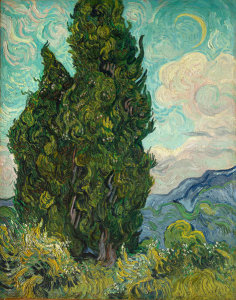
- Vincent van Gogh, Wheat Field with Cypresses
- Emanuel Leutze, Washington Crossing the Delaware
- Edward Hopper, From Williamsburg Bridge
- Katsushika Hokusai, Under the Wave off Kanagawa
- Vincent van Gogh, Irises
- Claude Monet, Water Lilies
- Claude Monet, Bridge over a Pond of Water Lilies
- Albert Bierstadt, Merced River, Yosemite Valley
- Margareta Haverman, A Vase of Flowers
- Pierre-Auguste Cot, Springtime
- Winslow Homer, Northeaster
- Faith Ringgold, Freedom of Speech
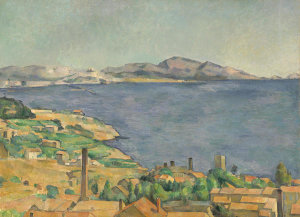
- Paul Cézanne, The Gulf of Marseilles Seen from L'Estaque
- Edouard Vuillard, Garden at Vaucresson
- Romare Bearden, Tapestry "Recollection Pond"
- Camille Pissarro, The Boulevard Montmartre on a Winter Morning
- Henri Rousseau, The Repast of the Lion
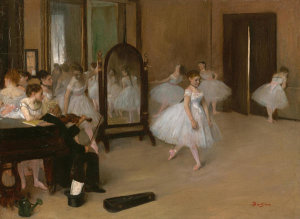
- Edgar Degas, The Dance Class
- John Singer Sargent, Madame X (Madame Pierre Gautreau)
- Joseph Mallord William Turner, Venice, from the Porch of Madonna della Salute
Customize by size, choice of paper or canvas, and framing style.